

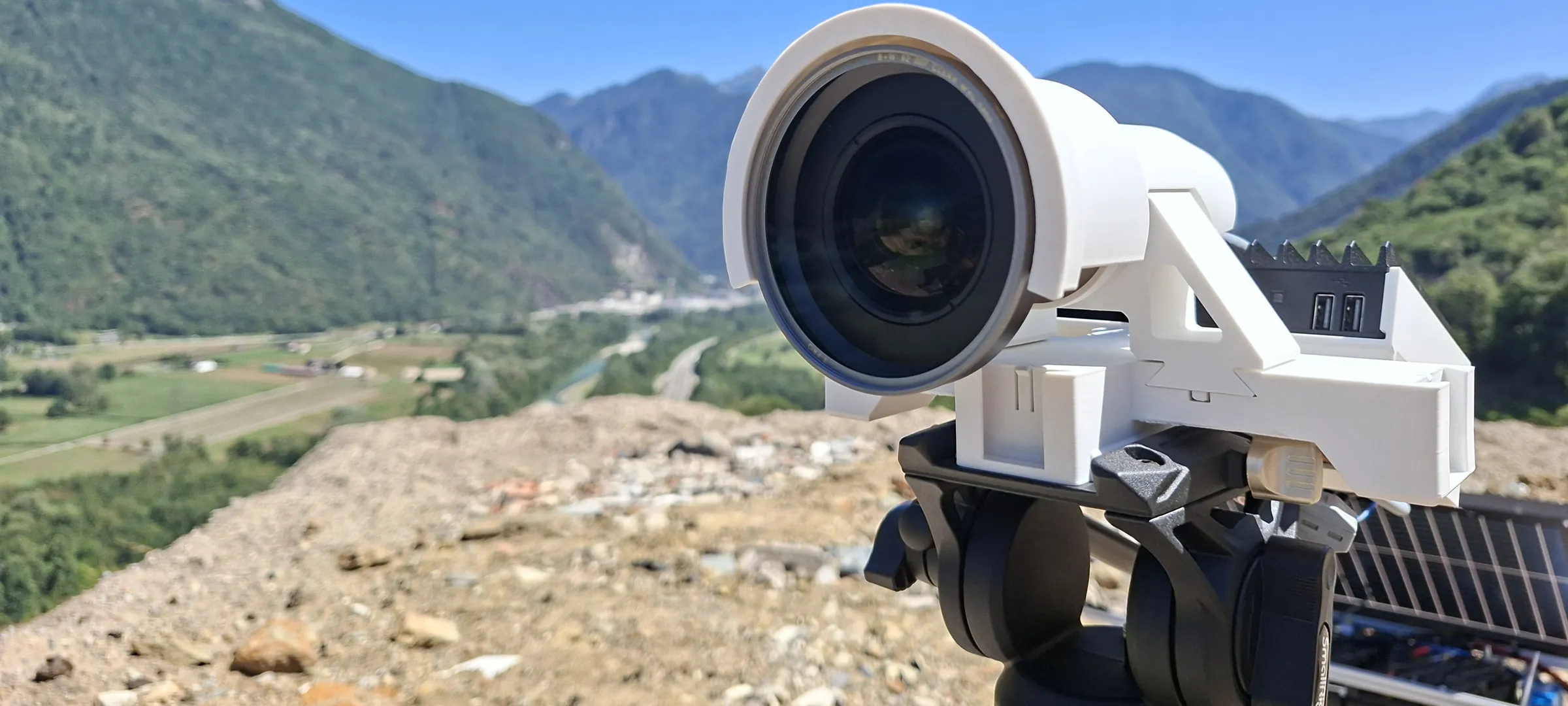
Mobile early detection unit for temporary monitoring
90°
Monitored sector
up to 10 km
Range
3 ways
By car, on foot, by helicopter winch
Range depends on visibility and terrain.
Overview
The mobile version of HUVI.GUARDIAN: transportable, autonomous and quickly on site wherever monitoring is needed at short notice.
In detail
Mobile detection
Monitors a 90-degree sector with a range of up to 10 km and analyses the images on site.
Quickly on site
Transportable by car, on foot or by helicopter winch, set up at observation points and on ridges.
Autonomous
Power, computing unit and communication are integrated. No power or network connection required.
Areas of use
Fire watches, endangered areas in dry periods, controlled burns, lightning strikes and major events.
How it all connects
From the first smoke to incident command
01
HUVI.NOMAD
detects smoke in the monitored sector and verifies it on site.
02
HUVI.FIREWATCH
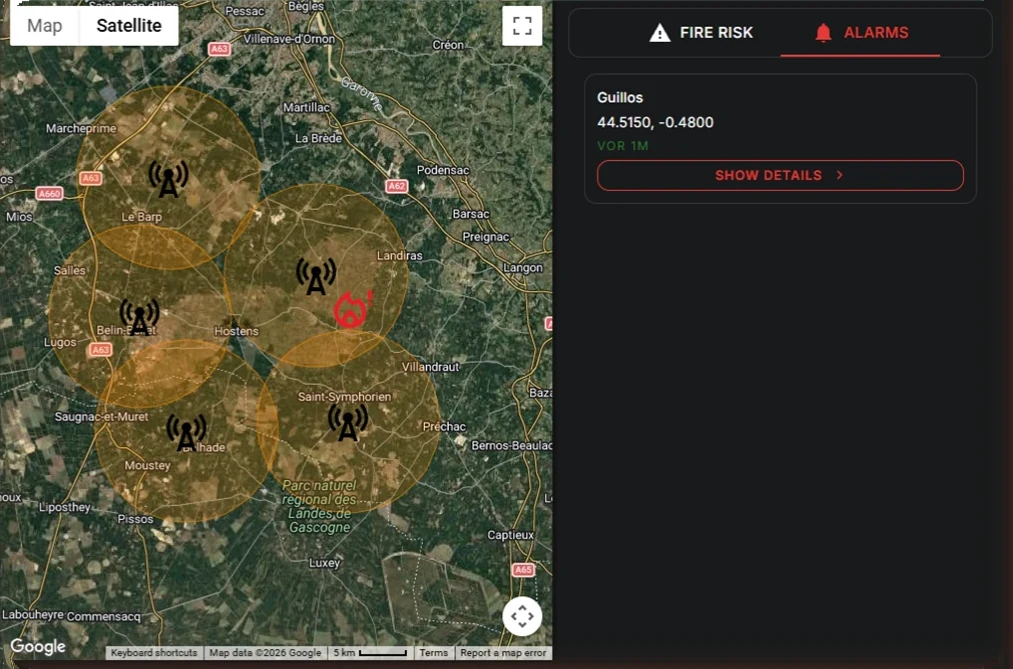
shows the alert with position, time and image and escalates according to your rules.
03
Incident command
is alerted via web dashboard, API or SMS and responds.
Need a fire watch at short notice?
Talk to us about location and duration. We usually reply within 24 hours.